← → Arrow Keys to Navigate
Section 1 /
Syria MYRP II · 2024–2027

Monthly Progress Implementation Update

Education, Child Protection & TVET · Reporting Period: Apr–Jun 2026 (Q7)
6,689
Students Reached
63.7%
Girls
133%
Enrolment Target
$972K
Expenditure
29
TVET Graduates
Education Cannot Wait
Save the Children International
Shafak
IPV

Scroll to explore

Overall Program Implementation Updates

Key achievements through June 2026 across Education, Inclusive Support, and Child Protection components.

6,689
Students in NFE
63.7% girls · 8% CwD
4,261
Girls Enrolled
Cohorts 1, 2 & 3
7,055
Stationery Kits
Distributed to students
84
Assistive Devices
52 girls, 32 boys
25,950
MHPSS Beneficiaries
14,305 girls · 11,645 boys
1,282
Teachers Trained
MHPSS & inclusive pedagogies

Education

  • 6,118 students in remedial program + 571 in ALP
  • Stationery kits & classroom materials distributed to 7,055 students
  • School safety/accessibility assessments & BoQs finalized
  • Heating, water, power & hygiene for inclusive environments
  • 2 printers + furniture for 12 national exam centres (Idleb & Aleppo)
  • Monthly teacher stipends; placement tools developed
  • Coaching & classroom observation sessions conducted

Inclusive Support

  • 84 CwD received assistive devices (52 girls, 32 boys)
  • 258 classrooms provided with teaching & learning materials
  • 79 young mothers + 212 early-married women enrolled
  • 100 children of young mothers enrolled in ECCD
  • 20 learning spaces with DRR systems in place
  • 6,118 children covered by DRR plans
  • 702 community members mobilized for re-enrolment

Child Protection

  • 3 CP Networks established (98 women)
  • 259 teachers trained on gender-responsive approaches
  • 1,282 teachers on MHPSS, multigrade & overcrowded classes
  • 67 learning spaces with MHPSS structured activities
  • 25,950 children reached through MHPSS
  • 219 children registered for case management (141 girls)
  • 20 schools with functional referral mechanisms
  • 195 teachers trained on Child Safeguarding & PSEA

Logframe Achievements vs Targets

Cumulative performance against MYRP II indicators through June 2026 (Q7).

Outcome 1 — Education Access & Equity

Adolescents enrolled in NFE (1.a)133%
Reached: 6,689 / Target: 5,000 · 63.7% girls
Retention rate (1.b)111%
83.1% achieved / Target: 75%
At-risk adolescents staying enrolled (1.1.2)195%
Reached: 7,409 / Target: 3,800
OOS enrolled in schools (1.1.1)47.6%
Reached: 571 / Target: 1,200 · 76% girls
Average attendance rate (1.1.3)107.5%
75.27% achieved (1,689 / 2,244) / Target: 70%
OOS in secondary schools (1.2.1)21,970%
Reached: 35,152 / Target: 160 · *value as reported in RF; under verification
Transition rate: primary → secondary (1.2.2)118%
71% achieved / Target: 60%

Outcomes 2–4 — Quality, TVET & Coordination

Learning outcomes improvement (2.a)111.7%
78.2% improved / Target: 70%
Teachers trained (gender-responsive) (2.2)180%
Reached: 259 / Target: 144 · 178 Female · 81 Male
Teachers — technical & inclusive pedagogies (2.2)181%
Reached: 260 / Target: 144
MHPSS beneficiaries (2.3)73.6%
Reached: 25,950 / Target: 35,274 · 14,305 girls
Community mobilization (1.4)65%
Reached: 702 / Target: 1,080 · 441 women
TVET — Vocational training beneficiaries (3)14.5%
Phase 1: 29 graduates / Target: 200 · Phase 2 upcoming
DRR learning spaces (1.3)167%
20 spaces / Target: 12
View Full Logframe Table
#SectorLevelIndicatorTargetReached%FemaleF%
1EDOutcomeAdolescents (10–18) enrolled in NFE iCumulative count of unique adolescents (10–18) enrolled in non-formal education programs across all cohorts and locations. Same counting methodology for Q6 and Q7.5,0006,689133%
4,26163.7%
1.bEDOutcomeRetention rate by grade/level iStudents retained at end of academic period ÷ students enrolled at beginning × 100. Disaggregated by grade and level. Same methodology for Q6 and Q7.75%83.1%111%67.7%
1.1.1EDOutputOOS adolescents enrolled in schools iCumulative count of out-of-school adolescents newly enrolled in formal schools. Disaggregated by sex and disability status. Same counting methodology for Q6 and Q7.1,20057147.6%
43476%
1.1.2EDOutputAt-risk adolescents staying enrolled iCumulative count of students identified as at-risk (academic, economic, or protection concerns) who remain actively enrolled. Includes all compensatory education students. Same methodology for Q6 and Q7.3,8007,409195%
4,82665.1%
1.1.3EDOutputAverage attendance rate iHow it's calculated: Students achieving at least 70% attendance ÷ total enrolled × 100. Q7: 1,689 / 2,244.70%75.27%107.5%78.02%
1.1.4CPOutputCwD receiving assistive devices iCumulative count of children with disabilities provided with assistive devices and learning aids tailored to their specific needs. Disaggregated by sex. Same methodology for Q6 and Q7.1508456%
5262%
1.2.1EDOutputOOS enrolled in secondary schools iCumulative count of OoS adolescents enrolled in secondary programs, including exam-centre candidates supported across 5 national exam centres. Q7 figure as reported in RF — under verification. Same counting methodology for Q6 and Q7.16035,152 *21,970%
17,92751%
1.2.2EDOutputTransition rate primary → secondary iStudents successfully transitioning from primary to secondary ÷ total students completing the primary cycle × 100. Same methodology for Q6 and Q7.60%71%118%91.8%
1.2.4EDOutputSchools with accessibility features iCount of schools where accessibility modifications (ramps, adapted sanitation, accessible pathways) have been installed and are functional. Same methodology for Q6 and Q7.47175%
1.2.5EDOutputChildren benefitting from accessibility iCount of children enrolled in schools where accessibility features are in place, benefitting from an accessible and inclusive learning environment. Same methodology for Q6 and Q7.8131,597196%1,03465%
1.3.1CPOutputYoung mothers enrolled iCumulative count of young mothers (girls who have given birth) enrolled in NFE or literacy programs. Disaggregated by location. Same methodology for Q6 and Q7.1127971%79100%
1.3.2CPOutputEarly-married women enrolled iCumulative count of early-married women enrolled in NFE or literacy programs. Disaggregated by location. Same methodology for Q6 and Q7.140212151%212100%
1.3.3CPOutputChildren of young mothers in ECCD iCumulative count of children of enrolled young mothers placed in Early Childhood Care & Development programs. Same methodology for Q6 and Q7.56100179%4242%
1.3.6CPEDOutputLearning spaces with DRR measures iCount of learning spaces where DRR systems — emergency plans, safety drills, firefighting kits, first-aid supplies — are established and functional. Same methodology for Q6 and Q7.1220167%
1.3.7CPOutputChildren covered by DRR plans iCount of children enrolled in learning spaces covered by active school safety / DRR plans. Includes all compensatory education students. Disaggregated by sex and disability. Same methodology for Q6 and Q7.3,8006,118161%3,82762.6%
1.4.1CPOutputCommunity mobilization (men & women) iCumulative count of community members (men and women) engaged in mobilization activities promoting OoSC (re-)enrolment. Disaggregated by sex. Same methodology for Q6 and Q7.1,08070265%44163%
1.4.3CPOutputWomen in community committees iCumulative count of women actively participating in child protection networks or community protection committees. Same methodology for Q6 and Q7.2169845.4%98100%
2.1EDOutputStudents in remedial education iCumulative count of students enrolled in compensatory / remedial education classes across all cohorts and locations. Same counting methodology for Q6 and Q7.3,8006,118161%3,82762.6%
2.1EDOutputStudents receiving learning materials iCumulative count of students who received stationery kits and learning materials during the reporting period. Counted per beneficiary, not per item. Same methodology for Q6 and Q7.10,8007,05565.3%4,58765%
2.1EDOutputClassrooms with TLM iCount of classrooms equipped with teaching and learning materials (TLMs) including whiteboards, textbooks, and supplementary supplies. Same methodology for Q6 and Q7.144258179%
2.2GenderOutputTeachers trained on gender-responsive content iCumulative count of teachers who completed training on gender-responsive pedagogy, safe school practices, and GBV prevention. Disaggregated by sex. Same methodology for Q6 and Q7.144259180%17868.7%
2.2EDOutputTeachers trained on technical/inclusive pedagogies iCumulative count of teachers trained on MHPSS integration, multigrade teaching, and overcrowded classroom management techniques. Disaggregated by sex. Same methodology for Q6 and Q7.144260181%14856.9%
2.3CPOutputMHPSS learning spaces iCount of learning spaces where structured MHPSS activities (PSS sessions, recreational activities, group support) are regularly implemented. Same methodology for Q6 and Q7.5667120%
2.3CPOutputMHPSS beneficiaries iCumulative count of children who received psychosocial support through structured MHPSS activities in learning spaces. Disaggregated by sex and disability. Same methodology for Q6 and Q7.35,27425,95073.6%14,30555%
2.5EDOutputSchool heads trained on inclusive practices iCumulative count of school directors and heads who completed training on inclusive education management and leadership practices. Same methodology for Q6 and Q7.1222183%1255%
3FSLOutcomeTVET beneficiaries (vocational programs) iCumulative count of beneficiaries who completed or are enrolled in TVET vocational training programs. Disaggregated by sex. Same methodology for Q6 and Q7.2002914.5%1965.5%
3.4FSLOutputDigital literacy trainees iCumulative count of trainees enrolled in digital literacy sessions across programme locations. Disaggregated by sex. Same methodology for Q6 and Q7.452146.7%1257.1%
4.3.1CoordOutputJoint monitoring visits with education stakeholders iCumulative count of joint monitoring and school support visits conducted with local education authority stakeholders. Same methodology for Q6 and Q7.361027.8%

Education Activities in Detail

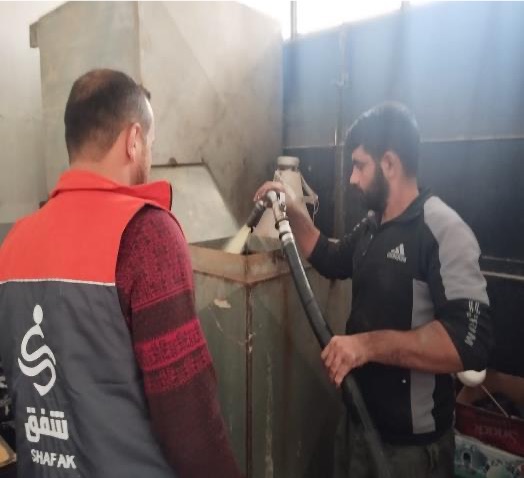
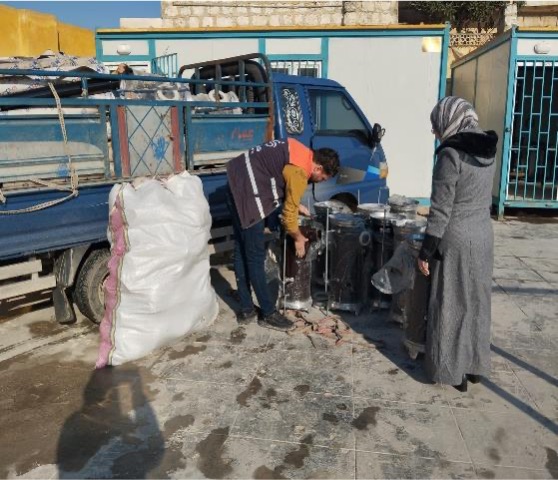
Winterization Support

Heating fuel, potable water, power supply & hygiene items — ensuring safe learning through winter.
Winterization support
Water supply to school
Winterization support
Heating fuel delivery

Education Supplies & Cleaning Materials

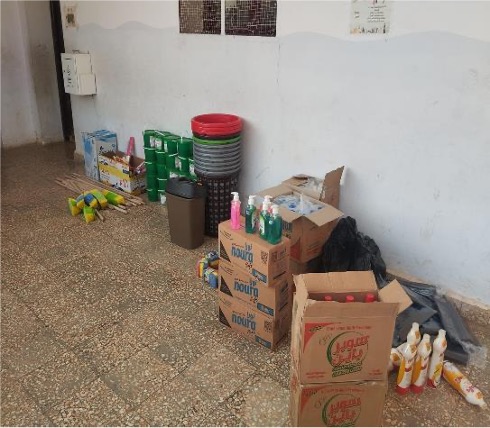
Classroom supplies & hygiene items distributed to 20 schools across three cohorts.
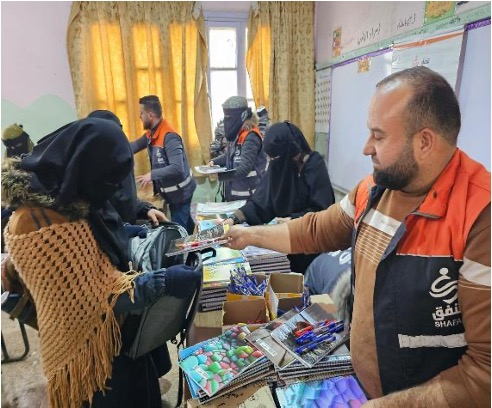
Education supplies
Classroom cleaning materials
Education supplies
Distribution of supplies

Stationery for Students

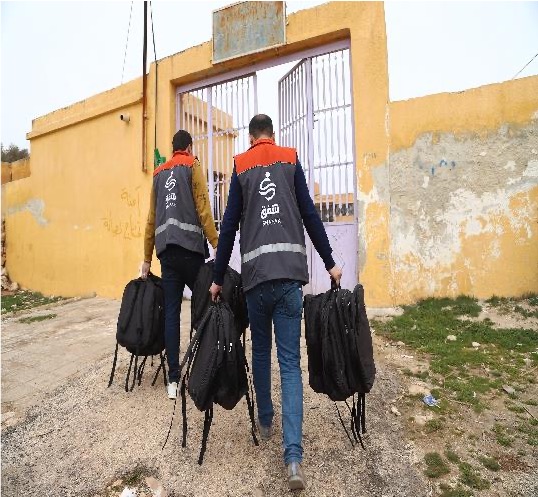
7,055 stationery kits (4,587 girls, 65%) distributed — reducing household financial barriers to education.
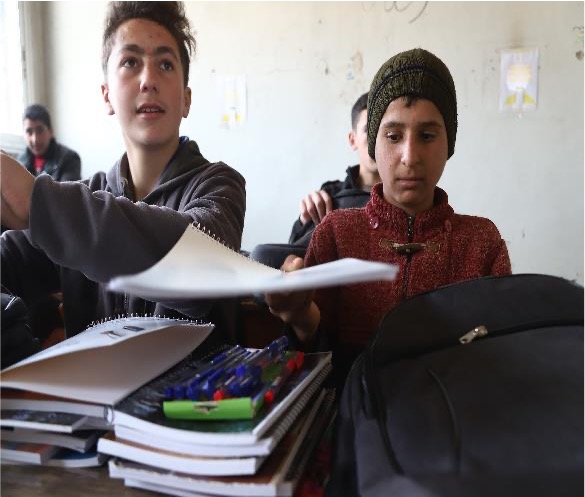
Stationery distribution
Students receiving stationery kits
Stationery distribution
Backpack distribution

Diagnostic Testing Approach

Intermediate level: Assessed in Arabic, English, Mathematics, and Science.
Secondary level — Scientific track: Arabic, English, Mathematics.
Secondary level — Literary track: Arabic, English, Philosophy.

Remedial Education & ALP

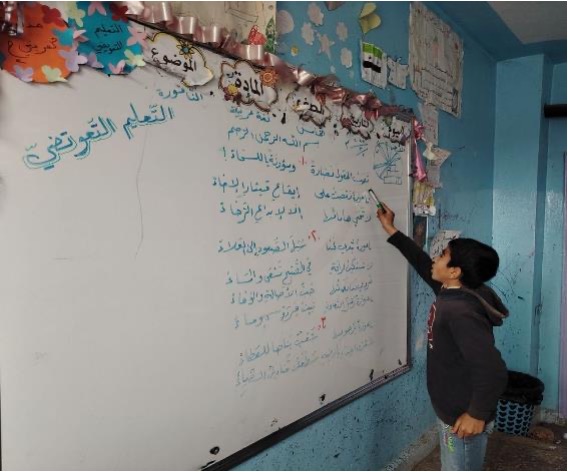
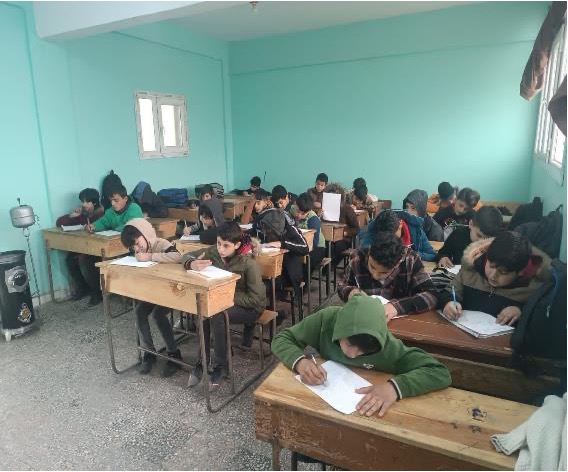
6,118 students in remedial classes + 571 in Accelerated Learning Program across cohorts 1, 2 & 3.
Remedial learning
Students in remedial classes
ALP learning
Accelerated learning program

Teacher Learning Committees (TLCs)

  • Cohort 1 (last year): 167 members (108F, 59M) — placement tests, lesson plans, attendance monitoring
  • Cohort 2&3 (current): 136 members (73F, 63M) engaged in the same activities

Parent-Teacher Associations (PTAs)

  • Last year: 175 committees (68F, 50M, 34 girls, 23 boys)
  • Cohort 2&3: 161 committees (58F, 51M, 30 girls, 22 boys) — planning, feedback, school-community engagement

DRR Systems & Measures in Place

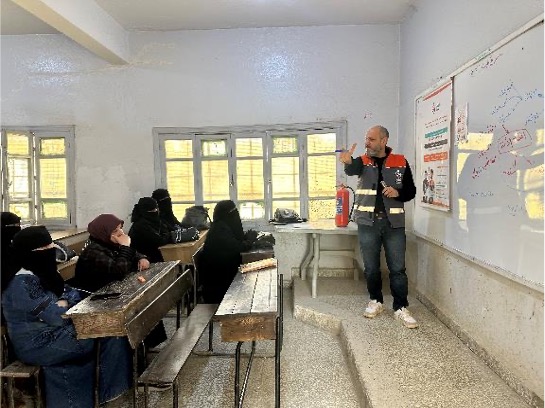
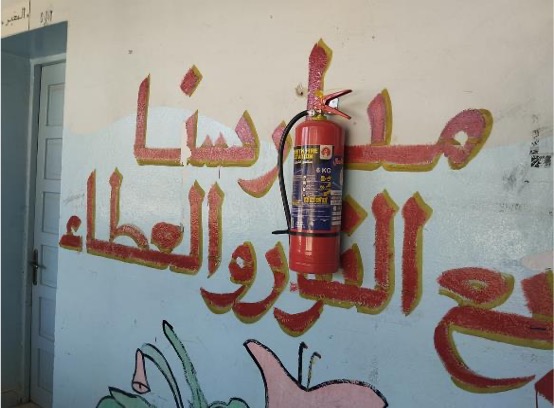
20 learning spaces (167% of target) equipped with emergency plans, fire extinguishers & first-aid kits.
DRR Systems
Fire extinguisher installation
DRR training
Fire safety training session

Cohort 1

41 fire extinguishers + 24 first-aid kits · Emergency plans co-developed with PTAs · Staff & PTAs trained on fire suppression techniques

Cohort 2

34 fire extinguishers + 33 first-aid kits · Emergency plans updated in all schools · 8 new + 4 continuing schools from previous round

Inclusive Support & Community Engagement

Ensuring no child is left behind — assistive devices, young mothers, ECCD, and community mobilization across all three cohorts.

84
Children with Disabilities — Assistive Devices
52 Girls · 32 Boys
291
Young Mothers & Early-Married Women Re-enrolled
79 Young Mothers · 212 Early-Married
100
Children of Young Mothers Enrolled in ECCD
Early Childhood Care & Development
702
Men & Women Mobilized for Community Engagement
Promoting OoSC (re-)enrolment

Assistive Devices & Learning Materials

84 children with disabilities (52 girls, 32 boys) received assistive devices; 258 classrooms equipped with TLMs.

Disability Inclusion

  • 84 CwDs (52 girls, 32 boys) received assistive devices and learning aids meeting their specific requirements.
  • 258 classrooms equipped with teaching and learning materials — 168 in Cohort 1 and 90 in Cohort 2&3.
  • Infrastructure interventions guided by school safety and accessibility assessments to ensure inclusive support.

Young Mothers & ECCD

  • 79 young mothers and 212 early-married women supported to re-enrol in education, ensuring access to safe, inclusive learning.
  • 100 children of young mothers enrolled in Early Childhood Care and Development (ECCD) programmes.
  • Integrated approach addresses intergenerational barriers and protects the most vulnerable girls and women.

Community Mobilization

702 men and women mobilized to promote (re-)enrolment of out-of-school children in all their diversity.

Community Outreach

  • 702 men and women mobilized to promote the (re-)enrolment of out-of-school children in all their diversity.
  • Coordination sessions held with direct & non-direct beneficiaries, educational staff, local councils, and camp management.
  • Activities preceded by orientation meetings to explain programme outputs and approach.

DRR & School Safety

  • 20 schools with DRR systems in place — 12 new in Cohort 2, 8 continuing from Cohort 1.
  • 6,118 children benefiting from DRR emergency plans (girls/boys/CwDs).
  • Cohort 1: 41 fire extinguishers + 24 first-aid kits. Cohort 2: 34 extinguishers + 33 kits. Emergency plans co-developed with PTAs; firefighting training for staff.

Teachers & School Community

Competency-based training, peer coaching, and school governance structures strengthening quality education delivery.

1,282
Teachers Trained on MHPSS & Multigrade Challenges
785 Female · 497 Male
259
Trained on Gender-Responsive Approaches
178 Female · 81 Male
303
TLC & PTA Members Engaged
136 TLC + 161 PTA committees (Cohort 2&3)
20
Schools with Code of Conduct Displayed
Gender-responsive pedagogy in all 20

Training Packages & Outcomes

Cohort 1 (Summer 2025) & Cohort 2 (Nov–Dec 2025) — same 3-package competency curriculum with 95–99% improvement rates.

Training Impact

  • Context-appropriate Life Skills: 95–99.2% of trainees improved knowledge
  • Inclusive Education & Code of Conduct: 80.6–91% improvement
  • Teacher's Role & Wellbeing + Curriculum Planning: 95–99.1% improvement

Followed by classroom observation, coaching, and peer-to-peer sessions to ensure practical application of skills.

TLCs & PTAs

Teacher Learning Committees (TLCs):

  • Cohort 1: 167 members (108F, 59M) — placement tests, lesson planning, attendance monitoring
  • Cohort 2&3: 136 members (73F, 63M)

Parent-Teacher Associations (PTAs):

  • Cohort 1: 175 committees (68F, 50M, 34 girls, 23 boys)
  • Cohort 2&3: 161 committees (58F, 51M, 30 girls, 22 boys)

School Leadership & Community Events

22 school heads trained; 10 community learning events across Idleb, Dana, Ma'aret Tamsrin, and Kafr Takharim.

School Leadership Training

  • 22 school heads trained (11 Head Teachers & 11 Deputy Head Teachers) on overseeing inclusive practices and procedures.
  • All 20 schools developed a Code of Conduct co-created with teachers; signed and publicly displayed to reinforce child safeguarding and PSEA standards.
  • 195 teachers trained (62M, 133F) on Child Safeguarding (CSG) and PSEA.

Community Learning Events

  • 10 events conducted in Idleb, Dana, Ma'aret Tamsrin, and Kafr Takharim.
  • Brought together teachers, education directorate representatives, and community members to discuss achievements, challenges, and feedback.
  • Promoted school-community engagement and shared learning across cohorts.

Child Protection & MHPSS

Psychosocial support, case management, and protection referral systems across all ECW-supported learning spaces.

25,950
Children Reached through MHPSS Activities
14,305 Girls · 11,645 Boys
219
Children in Case Management
141 Girls · 113 with Disabilities
67
Learning Spaces with MHPSS Activities
Structured & evidence-informed
3
CP Networks Established
98 women actively participating

MHPSS Structured Activities

25,950 children reached across 67 learning spaces — structured, goal-oriented, evidence-informed, tailored to sub-groups.

Psychosocial Reach

  • 67 ECW-supported learning spaces featuring MHPSS activities — structured, goal-oriented, evidence-informed, and tailored to different sub-groups.
  • 25,950 children (14,305 girls, 11,645 boys) benefited from structured MHPSS activities, reaching 73.6% of the 35,274 target.
  • 20 learning spaces with functioning psychosocial, legal, protection, and/or disability referral mechanisms in place.

Case Management & Referrals

  • 219 children registered for case management (141 girls; 113 with disabilities).
  • Key protection concerns: separation, emotional/physical abuse, discrimination, and neglect.
  • All 20 schools supported by referral mechanisms for psychosocial, legal, protection, and disability services.
  • 3 CP Networks established with 98 women actively participating.

Teacher Training on Protection & Safeguarding

195 teachers trained on CSG/PSEA; 1,282 on MHPSS support, multigrade teaching, and overcrowded classes.

Protection Training

  • 195 teachers trained (62 men, 133 women) on Child Safeguarding (CSG) and PSEA standards.
  • 1,282 teachers trained (785 female, 497 male) on MHPSS support, multigrade teaching, and overcrowded classes.
  • Continuation trainings planned for MHPSS, self-care, and gender-responsive approaches.

School-Level Safeguarding

  • All 20 schools developed and displayed a Code of Conduct co-created with teachers to reinforce child safeguarding and PSEA standards.
  • Infrastructure interventions guided by school safety assessments to ensure CwD-inclusive support.
  • 324 participants trained (230 female, 94 male) on self-care techniques — self-awareness, interpersonal skills, and thinking skills.

TVET — Technical & Vocational Education

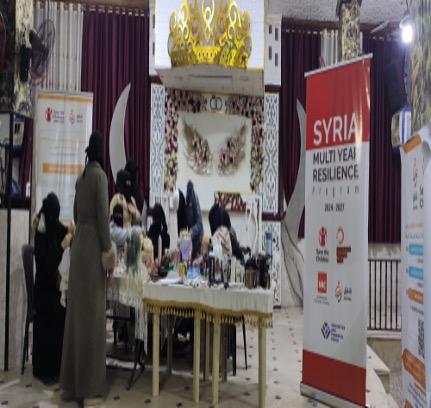
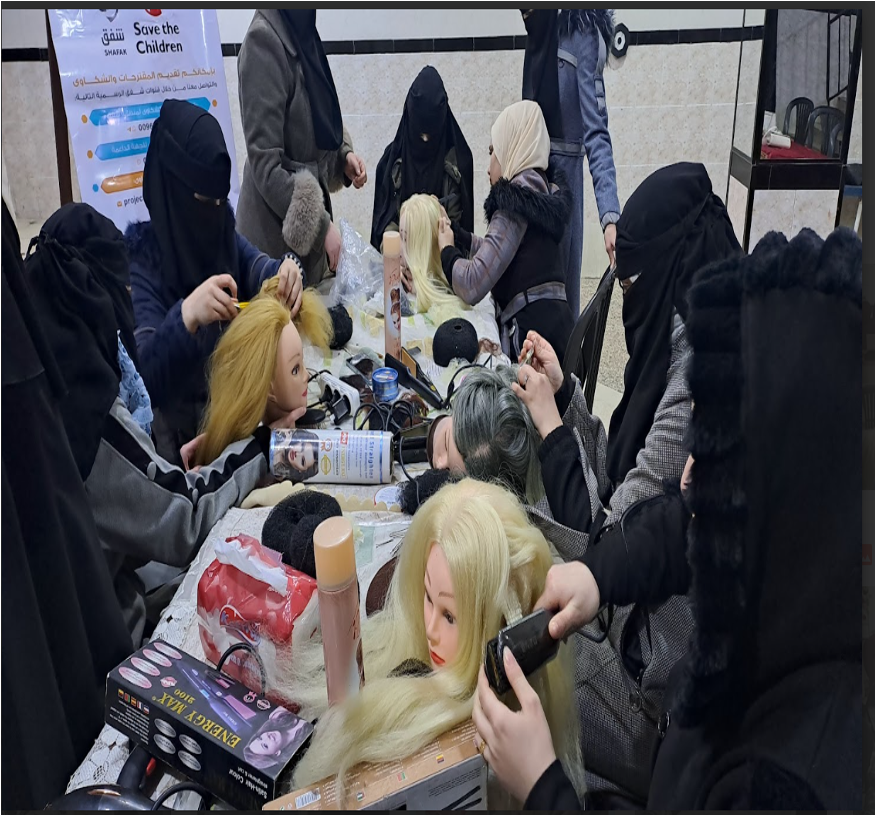
Phase 1 of vocational training successfully completed March 2026 in Ariha and Ma'arrat Misrin. Two tracks delivered based on labour market assessment and youth preferences.
29
Phase 1 Graduates
10 male · 19 female · 1 PWD
22
Digital Literacy
9 males · 13 females
11
Entrepreneurship Track
5 males · 6 females · started Apr 8
18
Apprenticeship Track
5 males · 13 females · 60-day placement

Phase 1 — Post-Training Pathways

Vocational Training
Mobile maintenance (M) · Hairdressing (F)
29 graduates
Life Skills (SCI curricula)
Children's Resilience Program
Girls Decide curriculum
Entrepreneurship Track
11 top performers → Business plan → Cash grant
Apprenticeship Track
18 graduates → 60-day workplace placement

Vocational Training

Vocational Training
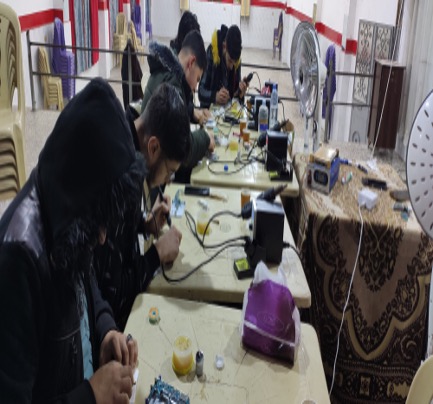
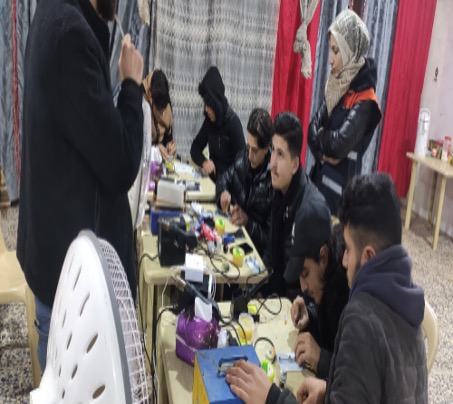
Mobile maintenance training
Vocational Training
Hairdressing training
Vocational Training
Practical skills session
Vocational Training
Graduation ceremony

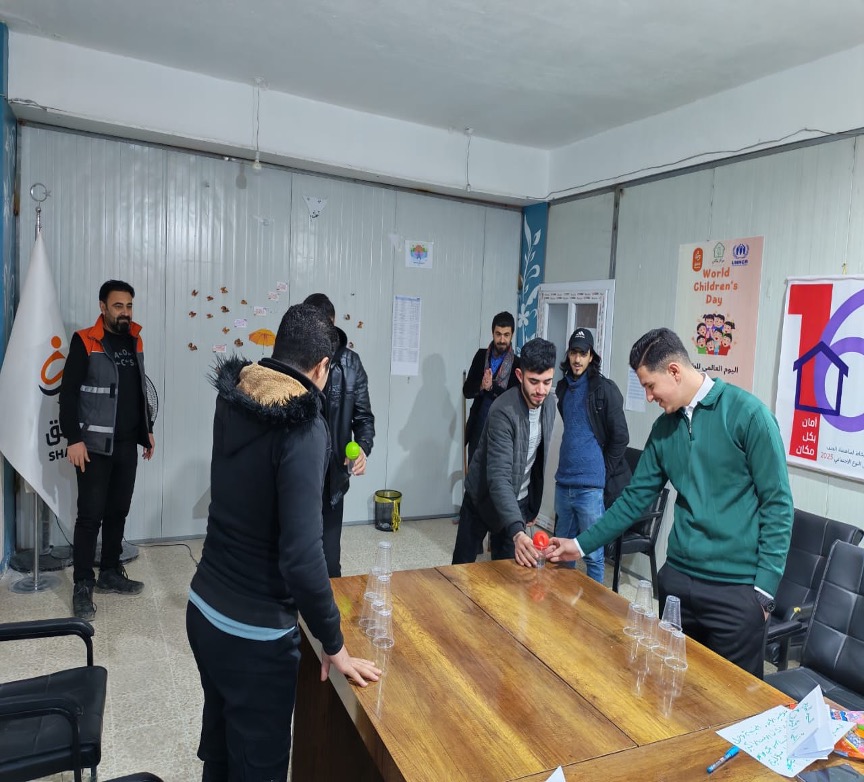
Life Skills Training

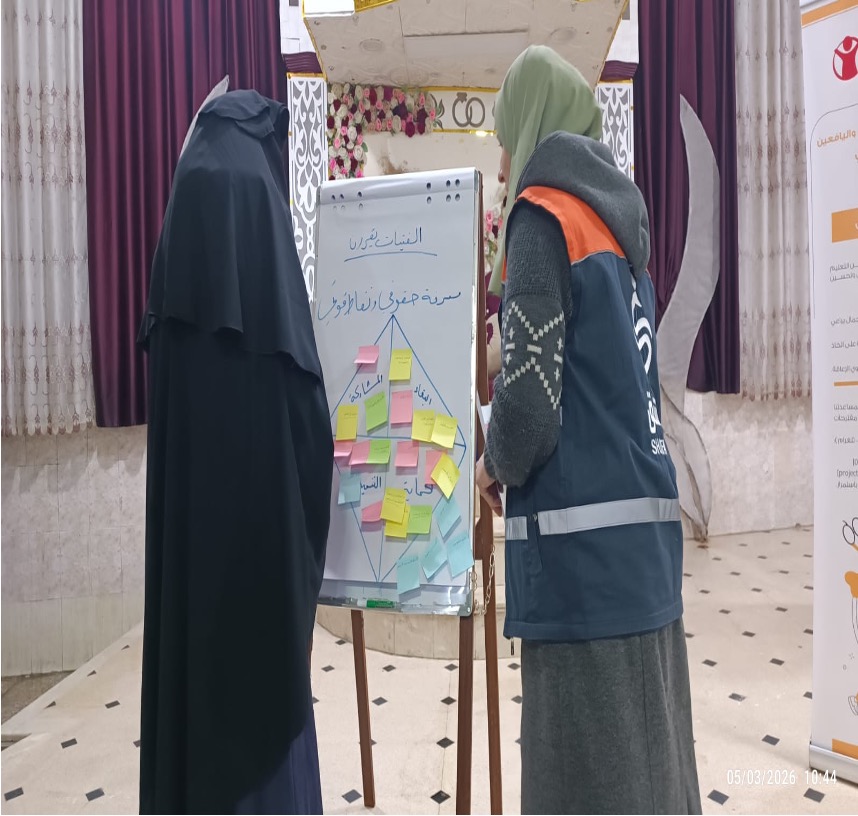
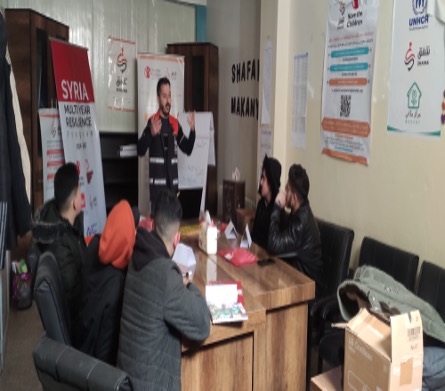
Delivered using SCI curricula — Children's Resilience Program & Girls Decide. Building confidence and decision-making skills.
Life Skills
Life skills session
Life Skills
Group activity
Life Skills
Participant interaction
Life Skills
Girls Decide curriculum

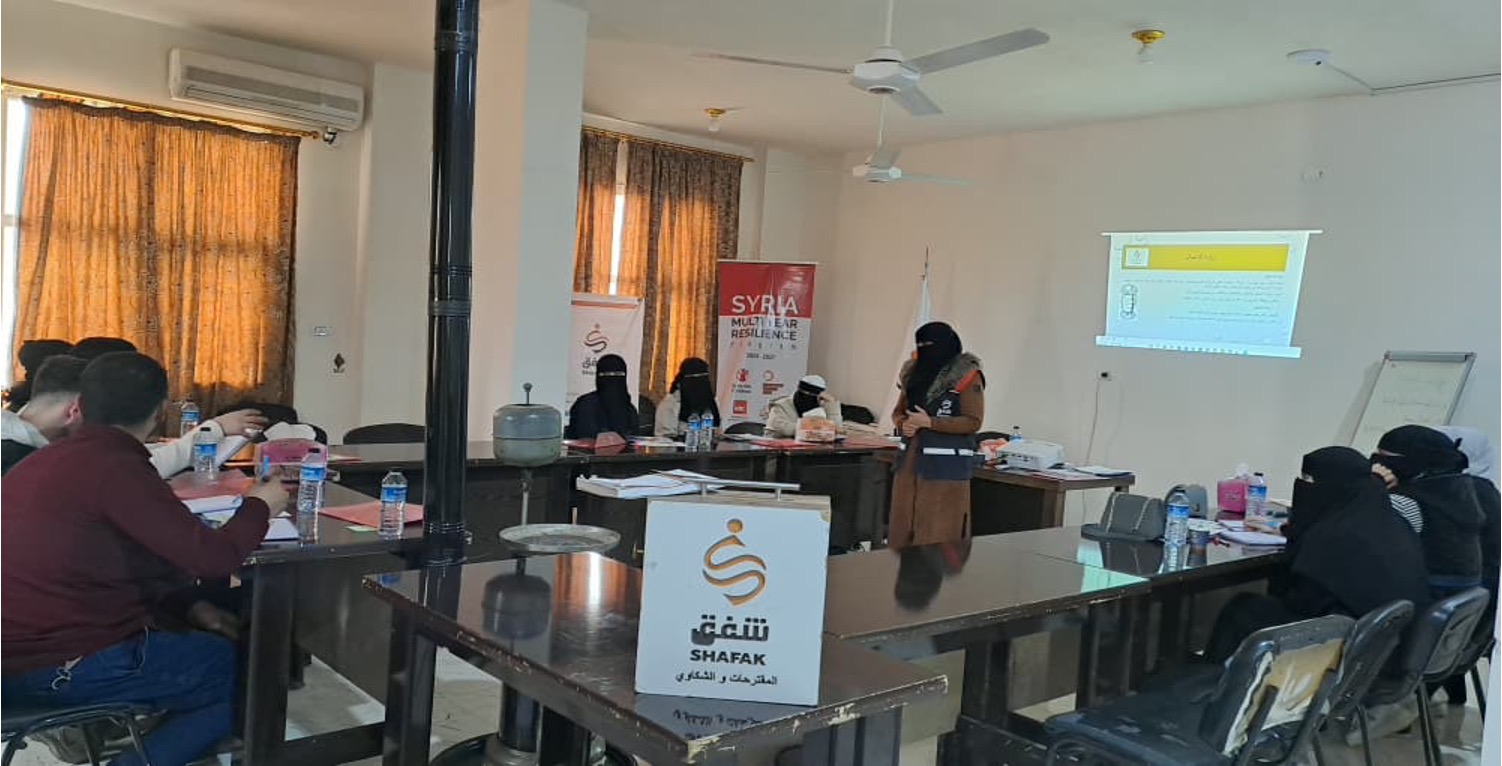
Entrepreneurship Training

11 top performers (5M, 6F) developing business plans. Viable plans supported with cash grants to start income-generating activities.
Entrepreneurship Training
Business planning workshop

Phase 2 Planning

  • FGDs with youth + KII with business owners to validate 5 priority sectors
  • Select 4 vocational training tracks for Phase 2
  • Identify accessible implementation locations
  • Increase beneficiaries to compensate Phase 1 dropouts (29/40 completed)
  • Tailored opportunities for persons with disabilities

Apprenticeship Track — Pathway 2

18 graduates (5M, 13F) in final preparation for 60-day workplace placements — mobile maintenance workshops & hairdressing salons.

Preparation & Placement Process

  • 18 graduates (5 males, 13 females) targeting workplace apprenticeship placements in Ariha and Ma'rrat Misrin.
  • Identifying and assessing suitable workshop owners and service providers to verify technical capacity and safe, structured learning environments for adolescents.
  • Placement tracks: Mobile maintenance workshops for males; hairdressing salons for females — aligned with their Phase 1 vocational training.
  • 60-day apprenticeship period under supervised workplace conditions to bridge training and employment, building direct linkages with the local labour market.
  • Approximately 10 MOUs to be signed with business owners; planned start date: 22/04/2026.

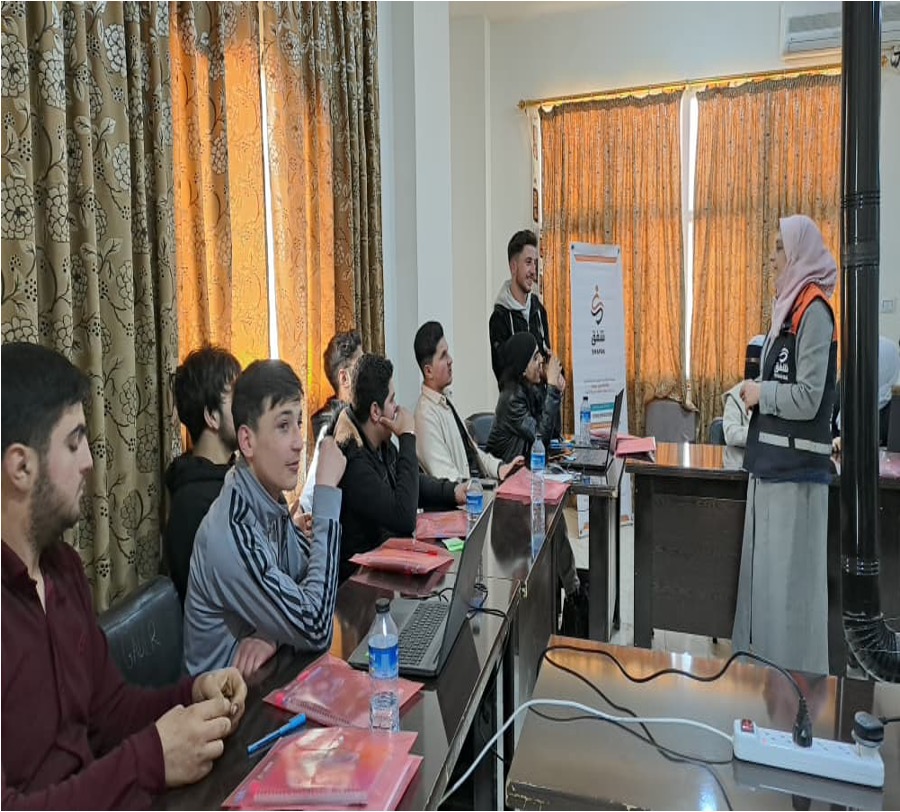
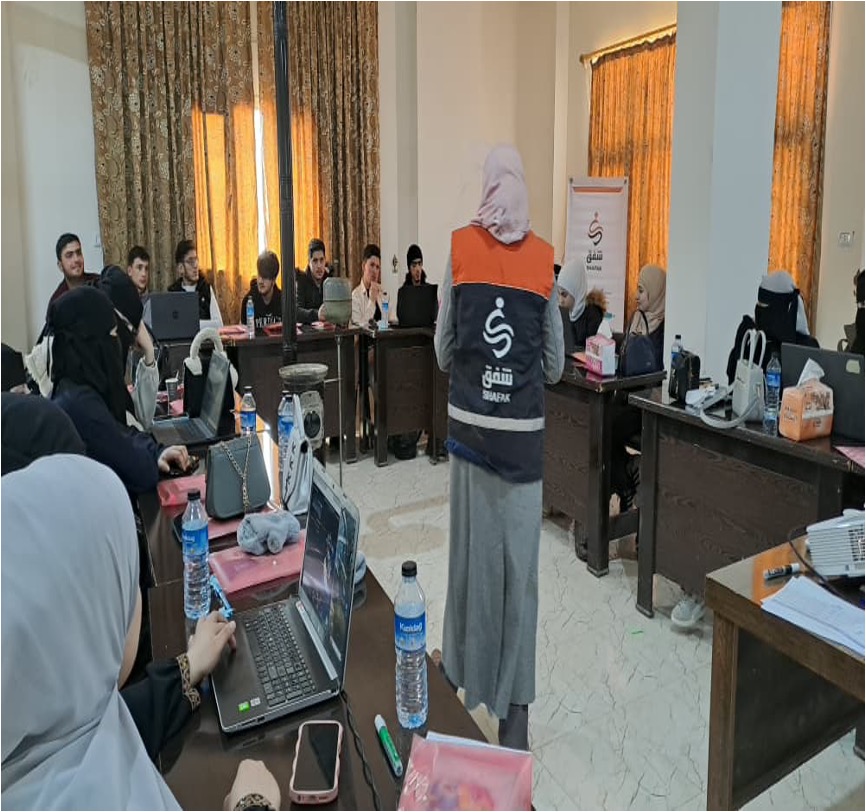
Digital Skills Training

21 trainees (9M, 12F) completed digital literacy training — sessions strengthened digital tools for employment & business development.
Digital Skills
Digital literacy sessions
Digital Skills
Computer skills training

Phase 2 — Registration & Eligibility (as of Jun 2026)

Registration for TVET Phase 2 through June 2026, including the eligible beneficiary list.

186
Total Registered
Phase 2 applicants
160
Eligible Beneficiaries
96 Girls · 64 Boys
5
Children with Disabilities
2 Girls · 3 Boys

Beneficiary Profile

  • Age range: All aged 15–18 years old
  • Marital status: 90 Singles (all boys are single), 3 Married, 2 Divorced, 1 Young Mother
  • Disability inclusion: 5 CwDs — 2 Girls, 3 Boys

Geographic Distribution (Eligible)

  • Jisr-Ash-Shugur: 100 beneficiaries
  • Idleb: 30 beneficiaries
  • Maaret Tamsrin: 30 beneficiaries
Registration Funnel
Registered
186
Eligible
160 (86%)
Girls
96
Boys
64
CwD
5

Verification & Finalization Process

Once the final data and analysis results are received, Shafak will immediately proceed with verification and cross-checking with the relevant Directorates of Education to ensure full compliance with the agreed cases (drop-out of school).

Following completion of the verification process, we will finalize the beneficiary lists and proceed with the remaining preparatory steps in line with the planned implementation schedule.

Budget Performance (BvA)

Total financial reports shared with SCI through May 2026. No over- or under-spending anticipated.

Total Budget
$4,050,000
ECW Syria MYRP II (2024–2027)
Total Spent
$972,359
24.0% burn rate
CategoryBudgetSpentRemainingBurn Rate
Programmatic Costs $3,353,655$702,079$2,651,576
20.4%
Support Costs $656,246$270,069$386,177
41.2%
Capacity Building $40,099$211$39,888
0.5%
TOTAL$4,050,000$972,359$3,077,640
24.0%

1st Payment

$428,020 — Received Dec 10, 2025

2nd Payment

$377,381 — Submitted Apr 18, 2025 · Pending

3rd Payment

$424,454 — Submitted Jul 10, 2025 · Pending
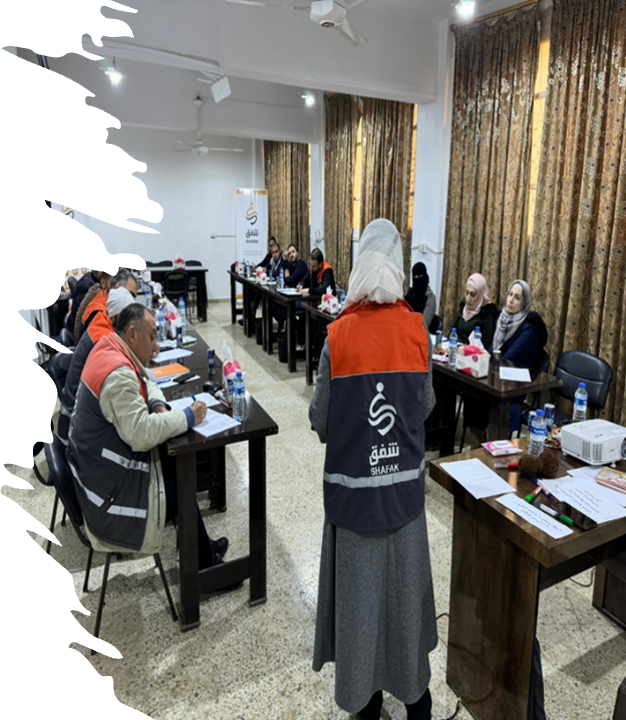
Gender Mainstreaming & Safeguarding

Gender Mainstreaming

Gender Mainstreaming

Dedicated Gender Policy with zero tolerance for violations
Dedicated focal points at every implementation location
Rapid Gender Analysis (RGA) conducted at each new location
Mandatory training for all staff & volunteers on gender & code of conduct
Majority-female field staff in high positions and decision-making roles
Gender Accountability Marker (GAM) used quarterly to monitor compliance
Active accountability system with 4 internal communication channels
Complaint boxes distributed; CwD- and child-friendly complaint materials available
Safeguarding

Safeguarding (PSEA & CSG)

Separate PSEA/CSG policies with zero-tolerance stance and full IASC compliance
Mandatory training for all new employees; refreshers every 6 months
Safeguarding clauses in all contracts, MOUs & service agreements
Clear SOP for receiving complaints and forming investigation committees
Multiple complaint channels: hotline, special email, WhatsApp, Telegram
Dedicated Safeguarding Manager (HQ) + focal points at all field locations
All 12 schools have displayed Codes of Conduct co-created with teachers
195 teachers trained on Child Safeguarding (CSG) and PSEA

Implementation Challenges & Coordination

01

Out-of-School (OOS) Cases

OOS indicators remain underachieved. Shafak will closely coordinate with the Education Directorate to identify new schools in areas with high concentrations of returnees to improve outreach and enrolment.

02

Student & Teacher Returns

High numbers expected to return to original villages at end of 2025–26 academic year, creating retention challenges. Ministry of Education's decision on single-shift non-formal schools may require replacing some currently targeted schools.

03

CwD Disaggregated Data

Output-level CwD data is required for accurate reporting. The current Kobo data collection link only reflects cumulative CwD totals — not output-specific — limiting disaggregated reporting. Coordination ongoing with SCI MEAL focal points.

MEAL — Monitoring, Evaluation, Accountability & Learning

Data & Reporting Systems

  • Dataset developed with SCI for accurate, sex- & age-disaggregated data
  • Quarterly IPTT updates with double-checked Means of Verification (MoVs)
  • Kobotoolbox for remote data collection & monitoring
  • Weekly field team meetings + dedicated WhatsApp group for daily updates

Monitoring & Reporting

  • 102 onsite visits — 57 education, 25 protection, 19 livelihood
  • Online issue tracking sheet for monitoring findings
  • Dashboards: session evaluation, school visits, market assessment
  • MEAL Dashboards: shafak-meal.org/ecw

Beneficiary Satisfaction — Distribution Services

Services quality overall
96%
Timing of service
92%
Quantity distributed
96%
Distribution mechanism
96%
Quality of service
98%
Response to needs
96%
Shafak staff conduct
97%
Clarity of information
95%
Overall organization satisfaction
99%

School Walkthrough — Student Interviews (Yes/No)

HALDO Assessment — Cohort 3 Baseline (4 Schools)

Maarrat Misrin Secondary (Girls)

Interviews54
Girls54
Enumerators (W)2

Abdurrahman Al-Ghafiqi

Interviews51
Boys51
Enumerators (W)3

Oqba Al-Bashi Secondary

Interviews90
Boys90
Enumerators (M)2

Ibrahim Hanano Cycle 2

Interviews85
Girls85
Enumerators (M)4

Total HALDO Baseline: 280 interviews (141 boys, 139 girls) conducted by 11 enumerators (6M, 5W)

End-line of HALDO assessment collected for Cohort 3 — awaiting results from assessment team.
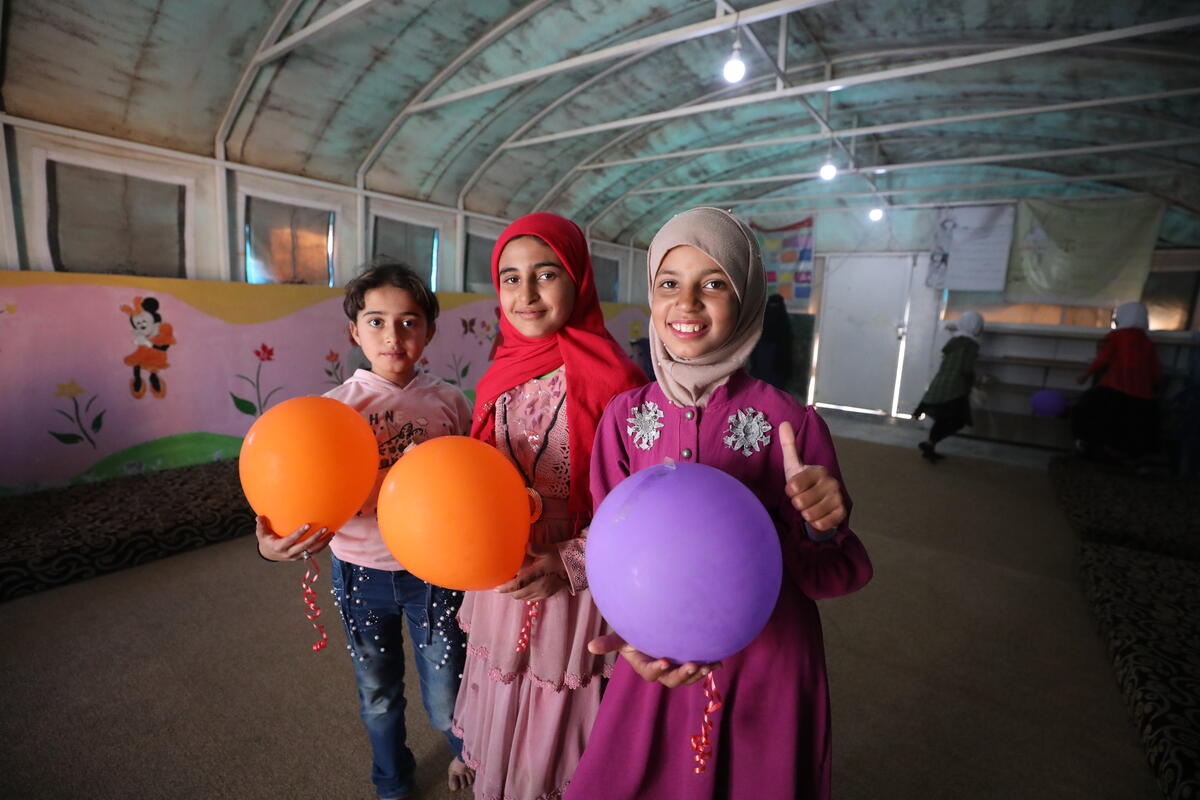
Accountability & FCRM

Information Sharing

  • Clear, accessible language & dialects in all communication
  • Safe & accessible dissemination channels
  • Posters & banners displayed at all sites

Community Engagement

  • Inclusive engagement: women, children, PwDs, adults
  • Coordination with direct & non-direct beneficiaries, education staff, local councils
  • Orientation meetings before each activity

FCRM — 45 Cases Received

  • Channels: WhatsApp, hotline, helpdesks, field focal points
  • Mix of suggestions, positive feedback, information requests & assistance requests
  • All cases reviewed, categorized & addressed — confidentially & timely